

Yalo- Elias Khoury
"Yalo" by Elias Khoury is a powerful novel set in the aftermath of the Lebanese Civil War. The story follows the life of Yalo, a former militiaman turned security guard who is accused of rape and terrorism. Through intense interrogations and flashbacks, the novel explores Yalo's fragmented memories and the impact of war on his identity. Khoury's narrative delves into themes of trauma, memory, and the elusive nature of truth, offering a haunting portrayal of a man's struggle to reconcile his past with his present. The novel is known for its lyrical prose and deep psychological insight, making it a compelling read about the human cost of conflict.

Historical context
Shukri Mabkhout's novel, "The Italian," is set against the backdrop of Tunisia's political and social upheaval during the late 1980s and early 1990s. This period saw the decline of President Habib Bourguiba's rule and his 1987 overthrow by Zine El Abidine Ben Ali, who promised reforms but soon reverted to authoritarian practices. The era was marked by severe political repression, economic challenges, high unemployment, social unrest, and intense intellectual debates on identity and resistance. These historical events significantly shaped the narrative's setting and themes.
1. Lebanese civil war (1975-1990)
A major historical setting for Elias Khoury's "Yalo," the Lebanese Civil War was a bloody battle characterized by sectarian violence, political division, and international interference. It began in April 1975 and involved multiple groups, including the Palestinian Liberation Organization (PLO) and Christian, Sunni, Shiite, and Druze militias. With shifting alliances and foreign involvement from Syria and Israel, the conflict saw horrific instances of bloodshed, massacres, and indiscriminate shelling that caused tremendous misery and displacement among civilians. Even though the Taif Agreement of 1989 marked the formal end of the conflict, "Yalo" powerfully captures the anguish endured by the Lebanese people as well as the conflict's lasting social and political divisions. Yalo's disjointed memories and experiences are deeply entwined with the war's pervasive violence and turmoil, depicting day-to-day existence in the midst of militia rule, terror, and social disintegration. Yalo's behavior and views are influenced by the psychological wounds that are deeply ingrained in his character. The work also delves into the difficulties of post-war reconstruction and the aftermath of trauma. Khoury skillfully illustrates the devastating and long-lasting impacts of the battle on people and their quest for identity and meaning in a broken world through Yalo's own tale.

2. Israeli invasion of Lebanon (1982)
In "Yalo," the protagonist's experiences and the plot as a whole are greatly influenced by the Israeli assault of Lebanon in 1982. Israel launched the invasion in June 1982 with the intention of driving the Palestinian Liberation Organization (PLO) out of Lebanon, but it left behind extensive destruction and made the Lebanese war more complicated. The story vividly depicts the siege of Beirut and the atrocities that followed in the Sabra and Shatila refugee camps, emphasizing the invasion's overwhelming cruelty and human misery. Yalo's jumbled recollections are scarred by these incidents, which are a reflection of the violence and turmoil that surrounded him. The Israeli invasion is depicted as a catalyst for further destruction and moral ambiguity, intensifying the sectarian divisions and foreign interventions that already plagued Lebanon. Khoury examines the invasion's wider effects via Yalo's personal narrative, showing how it exacerbated the Lebanese people's pre-existing wounds and inflicted long-lasting psychological scars on the country as a whole. Khoury emphasizes the anguish and hopelessness that followed the invasion, capturing its widespread effect on day-to-day living through expressive depictions and the inner agony of his characters. This historical background highlights the novel's examination of memory, identity, and the quest for purpose in a society torn apart by unrelenting conflict.


3. Sabra and Shatila massacre
IThe Sabra and Shatila massacre is one of the darkest incidents in "Yalo," having a profound impact on both the protagonist's mental state and the plot of the book. During the Israeli invasion of Lebanon in September 1982, Christian Phalangist militias sided with Israel broke into the Palestinian refugee camps of Sabra and Shatila in West Beirut, where they massacred hundreds, if not thousands, of civilians over the course of three days. The story portrays this catastrophe in graphic detail, highlighting both the terrible scope of human depravity and the destructive effects of sectarian strife. For Yalo, these incidents are still fresh, painful recollections that trouble him rather than merely far-off historical happenings.The massacre symbolizes the ultimate breakdown of humanity amidst the chaos of war, leaving an indelible mark on Yalo's consciousness. Khoury uses this event to underscore the profound moral and ethical disintegration experienced during the war, portraying how such brutal acts of violence shattered the lives of countless individuals. The scenes of the massacre are interwoven with Yalo's fragmented recollections, illustrating the deep psychological scars left by such traumatic experiences. By incorporating the Sabra and Shatila massacre, Khoury emphasizes the pervasive and enduring effects of the Lebanese Civil War, highlighting the themes of memory, trauma, and the struggle for identity in a world ravaged by violence. Khoury addresses the issues of memory, trauma, and the quest for identity in a world torn by violence by bringing up the Sabra and Shatila atrocity in order to illustrate the widespread and long-lasting impacts of the Lebanese Civil War.


4. End of the civil war (1990)
In "Yalo," the Taif Agreement of 1989, which signaled the end of the Lebanese Civil War, represents a turning point that highlights the difficulties in bringing about peace. The shaky promise for restoration and reconciliation is symbolized by the Taif Agreement, which sought to dissolve militias and redistribute political authority among Lebanon's several religious factions. The novel, however, depicts the end of the war as the start of a new battle for those who survived rather than as a definitive finish. Yalo is left to deal, along with a lot of other people, with the profound psychological damage and changes to society brought about by fifteen years of nonstop bloodshed. "Yalo" portrays the post-war era as a period of attempted reconstruction tainted by residual pain and unsolved tensions from the past. Yalo's experiences are representative of the larger problems facing Lebanese society, such as the difficulty of reconciliation and healing following such severe division. Through Yalo's disjointed memories and interactions, Khoury effectively conveys the war's lasting effects, showing how the end of the civil war marked the beginning of a protracted process of rebuilding lives and identities rather than just bringing about peace. The book brilliantly emphasizes how the war's legacy haunts people now and throughout the country, underscoring the ongoing challenge of coming to terms with a very dark past.
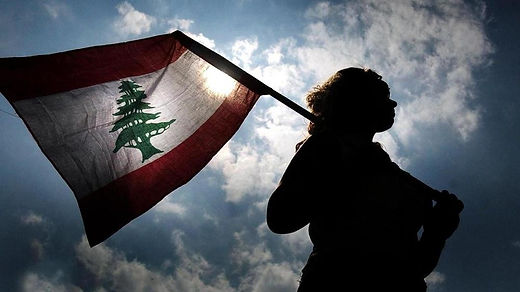
5. Post-war beirut (1990s and early 2000s)
In "Yalo," the Taif Agreement of 1989, which signaled the end of the Lebanese Civil War, represents a turning point that highlights the difficulties in bringing about peace. The shaky promise for restoration and reconciliation is symbolized by the Taif Agreement, which sought to dissolve militias and redistribute political authority among Lebanon's several religious factions. The novel, however, depicts the end of the war as the start of a new battle for those who survived rather than as a definitive finish. Yalo is left to deal, along with a lot of other people, with the profound psychological damage and changes to society brought about by fifteen years of nonstop bloodshed. "Yalo" portrays the post-war era as a period of attempted reconstruction tainted by residual pain and unsolved tensions from the past. Yalo's experiences are representative of the larger problems facing Lebanese society, such as the difficulty of reconciliation and healing following such severe division. Through Yalo's disjointed memories and interactions, Khoury effectively conveys the war's lasting effects, showing how the end of the civil war marked the beginning of a protracted process of rebuilding lives and identities rather than just bringing about peace. The book brilliantly emphasizes how the war's legacy haunts people now and throughout the country, underscoring the ongoing challenge of coming to terms with a very dark past.

Main characters
Elias Khoury's novel "Yalo" is full with nuanced characters, all of whom have been influenced by the horrific circumstances of the Lebanese Civil War. Yalo, the main character, is at the center of the story, and the book examines themes of trauma, memory, and identity via his experiences. Other important people add to the complex fabric of the narrative by illustrating the war's varied effects in important ways. These characters' relationships and interactions with one another shed light on the conflict's wider societal and psychological ramifications.
1. Yalo (Daniel/Jacob)
The main character of Elias Khoury's book, Yalo, is a complicated and extremely disturbed person whose life is forever changed by the Lebanese Civil War. Yalo, whose real name was Daniel (though he was also called Jacob), went through a period of severe mental distress and identity disarray. He was a militiaman once, and his background is rife with conflicting moral convictions, violence, and allegiances. Yalo is forced to confront and retell his memories throughout a series of harsh interrogations that occur as the narrative progresses after he is accused of rape and terrorism. Through the use of these interrogations, the story delves inside Yalo's mind and exposes his disorganized and frequently untrustworthy memories of the conflict and its aftermath. His involvement in militia operations and his relationships with other people during the battle, along with his experiences there, offer a vivid picture of a man trying to piece together his broken past. Yalo's problematic relationship with Shirin, his love interest, whose betrayal exacerbates his feelings of mistrust and isolation, further complicates his attempts to piece together his life. Khoury shows the lingering wounds of war and the challenge of coming to terms with a shattered past by delving into themes of trauma, memory, and the quest for identity via Yalo's character. Yalo is a tragic and interesting character in the story because his journey is a moving representation of the individual and societal challenges that individuals who experienced the Lebanese Civil War had to deal with.

2. Shirin
A key character in Elias Khoury's "Yalo," Shirin stands for the protagonist's struggle with betrayal and the promise of love. She is Yalo's romantic interest, and their relationship is characterized by a tumultuous blend of violence, desire, and miscommunication. Yalo's fragmentary recollections are deeply entwined with Shirin's character, who represents the complexity and ambiguities of intimacy in a country ripped apart by conflict. Yalo's encounters with her highlight themes of trust, desire, and the damaging effects of trauma on interpersonal relationships. The tension and instability of their relationship are increased by Shirin's portrayal as a mysterious character, with her intentions and sentiments frequently left unclear. Their intimate connection, which was at times intense and destructive, serves as a stark reminder of the general collapse of society and the widespread mistrust that resulted from the Lebanese Civil War. A crucial point in the story is reached when Shirin ultimately betrays Yalo, whether it is real or imagined, which intensifies Yalo's sense of helplessness and loneliness. This betrayal highlights the prevailing sense of unease and the challenge of forming authentic relationships in a world characterized by violence and mistrust. Khoury examines the brittleness of human connections in the midst of war through Shirin's character, showing how unresolved conflicts and traumas from the past continue to influence and warp the present.

3. The interrogator

The terrifying and crucial character known as the Interrogator in Elias Khoury's "Yalo" represents the repressive and dehumanizing power of the state both during and after the Lebanese Civil War. The anonymous individual is a persistent and frequently cruel force that employs cruel and psychologically torturous methods to coerce Yalo into making confessions. The brutality, fear, and control that typified the conflict and its aftermath are starkly depicted in the Interrogator's methods. Yalo is forced to confront his disorganized and fractured recollections by the Interrogator's persistent questioning, which acts as a catalyst for the novel's examination of truth and identity. The power struggles between Yalo and the Interrogator bring to light issues of oppression, dominance, and the illusive nature of justice in a country ravaged by conflict. In addition to discovering Yalo's prior transgressions, the Interrogator's job is to shatter Yalo's spirit and force the state narrative upon him, exemplifying the larger social attempt to manipulate and rewrite history. His character is essential to understanding Yalo's story because it exposes the darker sides of human nature and the severe psychological wounds caused by the war through his incisive questions and savage enjoyment of Yalo's agony. Khoury makes the Interrogator a prominent protagonist in the novel's reflection on trauma, memory, and the pursuit of truth by delving into the workings of authority and the psychological effects of systematic brutality.
4. Yalo's mother

In "Yalo" by Elias Khoury, Yalo's mother is a crucial character whose presence has a significant impact on the protagonist's early life and emotional environment. Yalo's mother appears as a symbol of love, stability, and loss amid the turmoil of war through his scattered memories. Her persona sheds light on Yalo's background by emphasizing the close family ties that influenced his growth and the moral principles he battled to preserve during the tumultuous years of the Lebanese Civil War. Yalo's memories of his mother are colored by a sense of longing and nostalgia for a time when things were easier and more stable, which stands in stark contrast to the chaos and violence that would eventually come to define his life. She stands for a link to Lebanon prior to the war, a period before their society's moral foundation was destroyed. Yalo finds comfort in his mother's loving presence and strong maternal relationship, but her ultimate disappearance emphasizes his intense sense of dislocation and loss. Her psychological impact can be seen in Yalo's emotional outbursts and his post-war search for purpose and identity. His fragility and solitude are heightened by the loss of his mother, reinforcing the subject of the long-lasting influence of familial bonds on personal identity. Khoury delves into issues of love, grief, and the quest for acceptance in a shattered society via Yalo's contemplations on his mother, thereby enhancing the character of the main character and emphasizing the individual consequences of the wider societal strife.
Themes
In "Yalo," Elias Khoury delves into a rich tapestry of themes that explore the human condition against the backdrop of the Lebanese Civil War. The novel is not just a narrative of personal struggle but also a profound commentary on broader societal issues. Through the experiences of the protagonist, Yalo, and other key characters, Khoury examines themes such as trauma, memory, identity, and the impact of war. These themes are intricately woven into the narrative, reflecting the complexities of life in a war-torn society and the enduring scars left on individuals and communities. The exploration of these themes provides a deeper understanding of the characters' motivations and the harsh realities they face.
1. Trauma and psychological scars
In "Yalo," Elias Khoury delves deeply into the theme of trauma and psychological scars, portraying the profound and lasting impact of the Lebanese Civil War on the human psyche. The protagonist, Yalo, epitomizes the enduring effects of war-induced trauma, as his fragmented memories and erratic behaviors illustrate a mind deeply scarred by years of violence and turmoil. The novel vividly captures the disorientation and emotional numbness that result from such trauma, showcasing how Yalo's sense of self is shattered and his ability to trust and connect with others is severely impaired. Khoury emphasizes the cyclical nature of trauma in which the past continually intrudes into the present by showing the severe psychological suffering that goes along with the physical brutality through the harsh interrogations Yalo endures. Yalo's chaotic memories and flashbacks are indicative of a psyche that is having difficulty processing and integrating gruesome experiences, which has resulted in a broken identity and a pervasive sense of estrangement. The novel's depiction of trauma goes beyond Yalo to include other characters who have experienced the war in a comparable way, creating a more comprehensive image of a society as a whole plagued by its bloody past. Khoury's subtle portrayal of trauma highlights the deep and frequently undetectable scars that war leaves on its survivors, underscoring the challenge of obtaining psychological healing and reconciliation in the wake of violence.

2. Memory and identity
Elias Khoury deftly examines the entwined themes of memory and identity in "Yalo," highlighting how the former molds and warps the latter in the setting of trauma and strife. Yalo, the main character, struggles with an inconsistent and fragmented memory as a direct result of his horrific experiences during the Lebanese Civil War. His jumbled memories and the conflicting stories he tells during questioning show how fragmented he is. Yalo's effort to put his history together illustrates a deeper battle he has to create a cohesive identity out of the disarray of his memories. The book makes the argument that memory is a malleable and frequently misleading process that is shaped by trauma and the need for purpose rather than a stable and trustworthy storehouse of the past. As a result, Yalo's identity is continually changing due to the fractured and selective nature of his memories. Yalo's character serves as an example for Khoury's discussion of how those impacted by war must negotiate the difficult interaction between memory and identity. These people frequently find themselves torn between the need to comprehend and integrate their unpleasant experiences and the wish to forget them. Yalo is forced to confront and reinterpret his memories as a result of the interrogator's persistent questioning and external pressures of society standards, which exacerbate this battle. Khoury illustrates the fragility and vulnerability of identity in the face of painful memories through Yalo's journey, showing it as a continuous process of negotiation and reconstruction. Reflecting the lasting wounds of the Lebanese Civil War on both an individual and social level, this nuanced investigation highlights the larger influence of communal memory on national identity.
3.The impact of war on relationships

In "Yalo," Elias Khoury eloquently depicts the destructive effects of conflict on interpersonal relationships, demonstrating how the Lebanese Civil conflict shatters and warps close bonds. This issue is best illustrated by the turbulent relationship between Yalo and Shirin, which is characterized by aggression, mistrust, and emotional instability. The constant violence of the war seeps into their relationships, transforming love into a war zone unto itself. Yalo is profoundly traumatized from his time as a militiaman, which hinders his capacity to establish and preserve positive connections. Fear and hostility cloud his recollections of Shirin, showing how the instability of the conflict outside has crept into his own life. The relationship between them is marked by mistrust and betrayal, which highlights the larger disintegration of society in which stability and security are illusive. Whether true or imagined, Shirin's betrayal accentuates Yalo's feelings of loneliness and emphasizes how hard it is to make sincere connections in a world full of mistrust and anxiety. Furthermore, Yalo emphasizes the loss of parental warmth and support by drawing a stark contrast between his memories of his mother and the stable, loving environment she once offered and his current situation. Relationships are not just affected by romantic and familial ties; friendships and community ties are also impacted by the war. Khoury's depiction of these broken relationships shows how the constant violence and instability destroy closeness and trust, acting as a microcosm of the larger breakdown of societal fabric during the conflict. "Yalo" emphasizes the severe and frequently irreversible harm that war causes to interpersonal relationships, leaving a legacy of emotional wounds and shattered identities, through these detailed representations.

4. Power and oppression
Elias Khoury explores the issues of tyranny and power in depth in "Yalo," eloquently demonstrating how these forces materialize in the backdrop of the Lebanese Civil War and its aftermath. The main representation of governmental power and its propensity for cruelty and dehumanization is the Interrogator persona. Yalo loses all dignity and autonomy as a result of the Interrogator's unrelenting and frequently cruel questioning techniques. This relationship illustrates the larger systemic oppression that permeates society in addition to highlighting Yalo's personal tyranny. The state, symbolized by the interrogator, maintains a culture of fear and submission by using force, psychological manipulation, and brutality to exercise its power. Khoury investigates the ways in which this repressive power system affects everyday people who are always being watched over and subject to capricious authority outside of the interrogation chamber. The power structures inside the militias and their ability to manipulate the local populace are also discussed in the book, which serves to highlight the repressive forces' widespread influence. Khoury challenges the systems of power that take advantage of people, degrade them, rob them of their agency, and reduce them to nothing more than objects of control through Yalo's horrific experiences. Yalo's perception of reality is consistently weakened by the Interrogator's tricks, so this investigation goes beyond simple physical oppression to include the subtle ways in which power warps memory and truth. Khoury's depiction of oppression and power in "Yalo" is a potent critique of the ways that violent conflicts and authoritarian regimes break people's spirits and prolong cycles of injustice and suffering.


5. Searching for meaning and redemption
In "Yalo," which is set against the backdrop of the aftermath of the Lebanese Civil War, Elias Khoury deftly incorporates the concept of seeking purpose and redemption into the protagonist's turbulent journey. One of the main plot points of Yalo's journey is his search for meaning and atonement, which reflects his innate desire to reconcile his chaotic past and fragmented identity. He is forced to confront his memories and actions as a result of the severe interrogations he faces, which results in a difficult but essential process of self-examination. Yalo's voyage of introspection is rife with paradoxes and ambiguities as he works through his pain, remorse, and the complicated moral issues surrounding his history as a militiaman. According to Khoury, Yalo's battle is representative of a larger human need for meaning and coherence in the midst of chaos and pain. The book makes the argument that seeking forgiveness and making peace with one's past are tough and continuous processes rather than a simple or surefire path to redemption. Yalo's encounters with other characters, such as Shirin and his mother, shed more light on his quest for purpose as he looks for acceptance, comprehension, and a feeling of community. Yalo's connections and mentality have been profoundly affected by the conflict, which highlights how difficult it is to find redemption in a violent and distrusting society. Khoury examines the deep human yearning for atonement and the manner in which people try to restore their humanity in the face of the wreckage of their life via Yalo's moving and frequently tragic journey. This topic strikes a deep chord because it emphasizes how resilient the human spirit is and how people continue to look for purpose and redemption even in the most hopeless circumstances.

Rating
I would rate "Yalo" by Elias Khoury 4.5 out of 5. This novel is recommended for readers aged 16 and up due to its mature content and complex themes. Khoury’s evocative prose and deep exploration of trauma, memory, and identity against the backdrop of the Lebanese Civil War offer a rich and thought-provoking experience. The fragmented narrative structure mirrors the protagonist's shattered psyche, adding depth to the reading experience. The characters, especially Yalo, are multifaceted and compelling, providing a poignant portrayal of the human cost of war. However, the non-linear approach and the graphic depictions of violence and torture may be challenging for some readers. The deliberate ambiguity and unreliable narration might also leave some wanting clearer resolutions. Despite these challenges, the novel's historical insights and the profound themes it tackles make it a significant and rewarding literary work, offering a deep understanding of the complexities of post-war identity and memory.

